Urban Redevelopment Corporation Law: Revitalizing Cities for a Better Tomorrow
Category : |
Sub Category : Posted on 2025-11-03 22:25:23
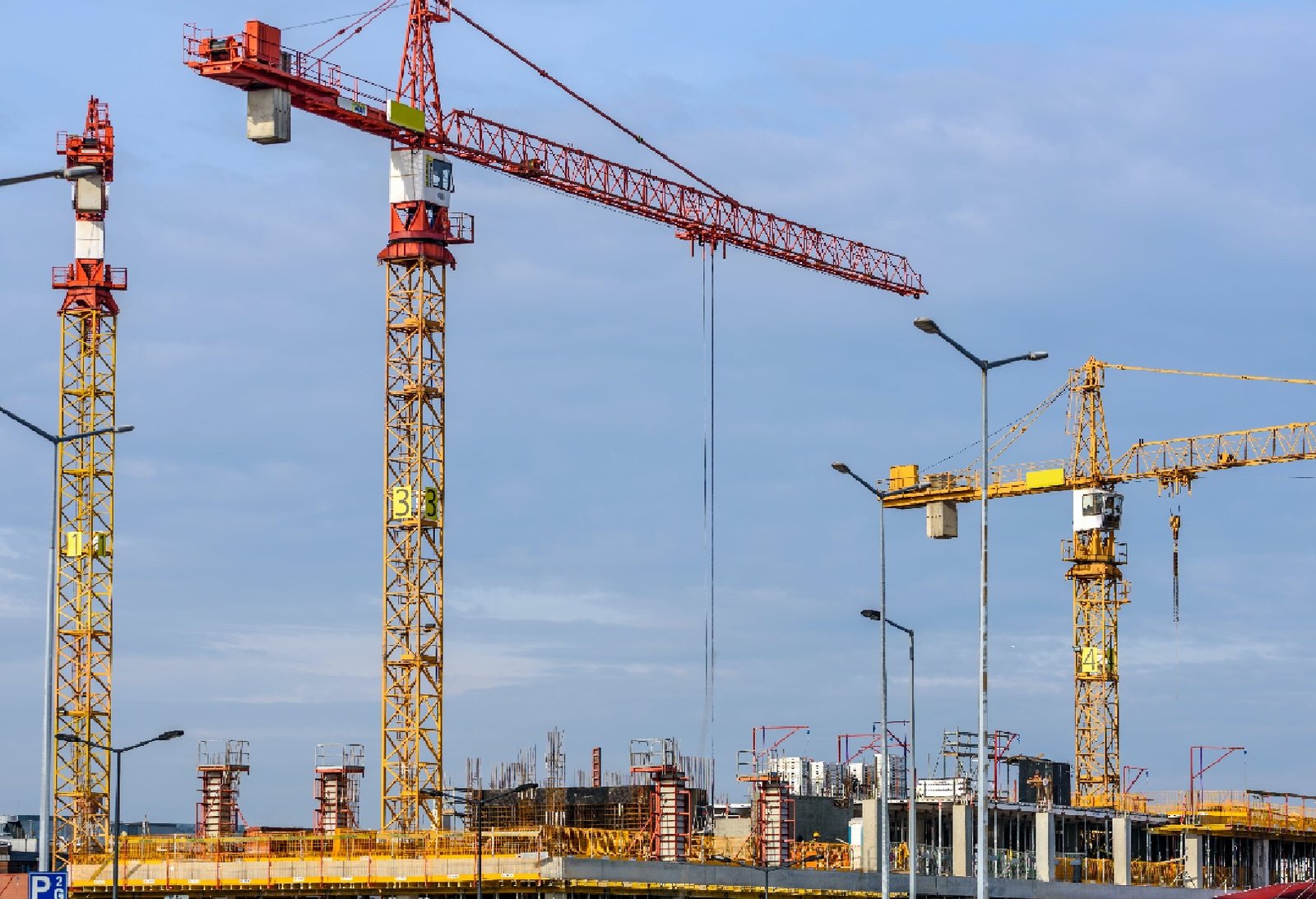
urban redevelopment is a crucial aspect of city planning and development in modern times. As urban populations continue to grow, cities are faced with the challenges of aging infrastructures, blight, and overcrowding. To address these issues, many governments have enacted urban redevelopment corporation laws to facilitate the revitalization of underutilized or rundown areas within city limits. Urban redevelopment corporation laws provide a legal framework for authorities to establish specialized entities that focus on promoting the redevelopment of urban areas. These corporations are typically tasked with acquiring, rehabilitating, and redeveloping properties in distressed neighborhoods to make them more attractive for businesses, residents, and visitors. By doing so, these entities play a vital role in transforming blighted areas into vibrant, economically viable communities. One of the key features of urban redevelopment corporation laws is the power granted to these entities to use eminent domain to acquire properties for redevelopment purposes. Eminent domain allows the government or its designated agency to condemn and acquire private property for public use, subject to fair compensation to the property owners. This power is essential for urban redevelopment corporations to assemble parcels of land for large-scale redevelopment projects that require consolidation of properties under unified ownership. In addition to eminent domain, urban redevelopment corporation laws may also provide tax incentives, zoning flexibility, and funding mechanisms to support redevelopment efforts. Tax incentives such as tax increment financing (TIF) allow municipalities to earmark a portion of the future property tax revenues generated by a redevelopment project to finance the upfront costs of infrastructure improvements or other public investments. Zoning flexibility enables developers to pursue mixed-use developments or higher-density projects that may not have been permissible under existing zoning regulations. Moreover, funding mechanisms such as grants, loans, or bonds can help finance the acquisition, demolition, and construction costs associated with urban redevelopment projects. Overall, urban redevelopment corporation laws serve as powerful tools for cities to revitalize distressed neighborhoods, create economic opportunities, and improve the quality of life for residents. By leveraging the expertise and resources of specialized entities, cities can unlock the full potential of underutilized urban areas and transform them into vibrant, sustainable communities for the benefit of all stakeholders. In conclusion, urban redevelopment corporation laws play a vital role in shaping the future of cities by promoting sustainable and inclusive growth. By embracing proactive urban redevelopment strategies, cities can unleash their full potential as dynamic hubs of innovation, culture, and prosperity. As we look towards a better tomorrow, let us continue to support and strengthen urban redevelopment efforts to build more resilient, livable, and prosperous cities for generations to come.


