Embracing Renewable Energy in Smart City Planning
Category : |
Sub Category : Posted on 2024-01-30 21:24:53
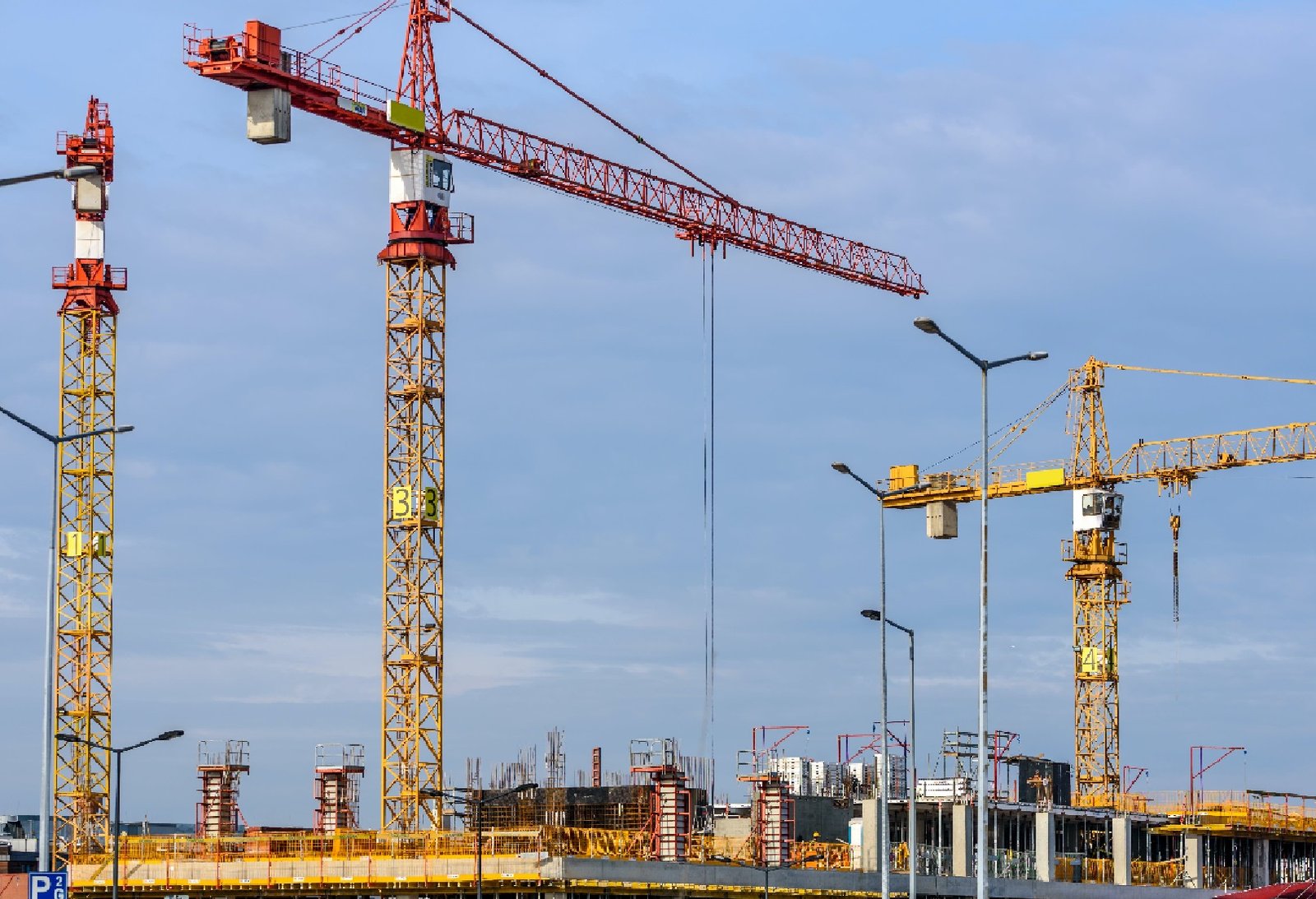
Introduction: In today's rapidly developing world, there is an increasing need to find sustainable solutions to urban growth and development. As cities continue to expand, the implementation of smart city planning and the integration of renewable energy sources have become vital in addressing environmental and energy-related challenges. In this blog post, we will explore the significance of renewable energy in smart city planning and how it can help create more resilient and sustainable urban environments.
1. Understanding Smart City Planning: Smart city planning involves the use of technology and data to enhance the quality of life for its residents while minimizing resource consumption. It includes various aspects such as efficient transportation systems, optimized waste management, improved water management, and intelligent infrastructure. One crucial component of smart city planning is the integration of renewable energy sources.
2. The Benefits of Renewable Energy: Renewable energy, such as solar, wind, and hydropower, offers numerous benefits to smart city planning:
a) Reduction in carbon emissions: Shifting towards renewable energy sources helps cities reduce their dependence on fossil fuels, thereby lowering carbon emissions and mitigating the effects of climate change.
b) Energy cost savings: Over time, generating energy from renewable sources proves to be more cost-effective than relying on traditional energy sources, reducing government and citizens' energy bills.
c) Energy security: By diversifying the energy mix, cities can protect themselves from disruptions in the supply chain and have greater control over their energy production.
d) Job creation and local economic growth: The adoption of renewable energy stimulates the creation of new jobs in the green energy sector and supports the local economy.
3. Incorporating Renewable Energy in Smart City Planning: To effectively integrate renewable energy sources into smart city planning, cities can consider the following strategies:
a) Solar energy utilization: Installing solar panels on rooftops of buildings, including public facilities and homes, can generate clean energy and reduce the strain on the power grid.
b) Wind power: Identifying suitable locations for wind turbines, such as coastal areas or open spaces, can contribute to a sustainable energy supply.
c) Energy-efficient buildings: Encouraging the construction of energy-efficient buildings with better insulation, efficient lighting systems, and energy management systems can significantly reduce energy consumption.
d) Smart grid implementation: Developing smart grids that efficiently manage energy consumption and distribution can optimize renewable energy usage and promote energy conservation.
4. Case Studies: Real-world Examples: Highlighting successful implementation of renewable energy in smart city planning can inspire and guide other cities to follow suit. Examples include:
a) Copenhagen, Denmark: As part of its plan to become carbon neutral by 2025, Copenhagen extensively uses renewable energy sources, including wind farms and district heating systems.
b) Masdar City, Abu Dhabi: This city is entirely powered by renewable energy and uses smart grids, energy-efficient buildings, and electric transportation systems.
c) San Francisco, USA: San Francisco is committed to converting its entire energy supply to renewable sources, leaving no stone unturned in promoting a green and sustainable environment.
Conclusion: Renewable energy integration in smart city planning is key to creating sustainable, resilient, and liveable urban environments. By embracing renewable energy sources, cities can reduce their carbon footprint, enhance energy security, and create local economic growth. It is time for cities worldwide to prioritize renewable energy adoption in their smart city planning for a greener future. Have a look at http://www.nubland.com
You can find more about this subject in http://www.keralachessyoutubers.com


