How Hotels Contribute to Urban Planning and Sustainable Development
Category : |
Sub Category : Posted on 2024-01-30 21:24:53
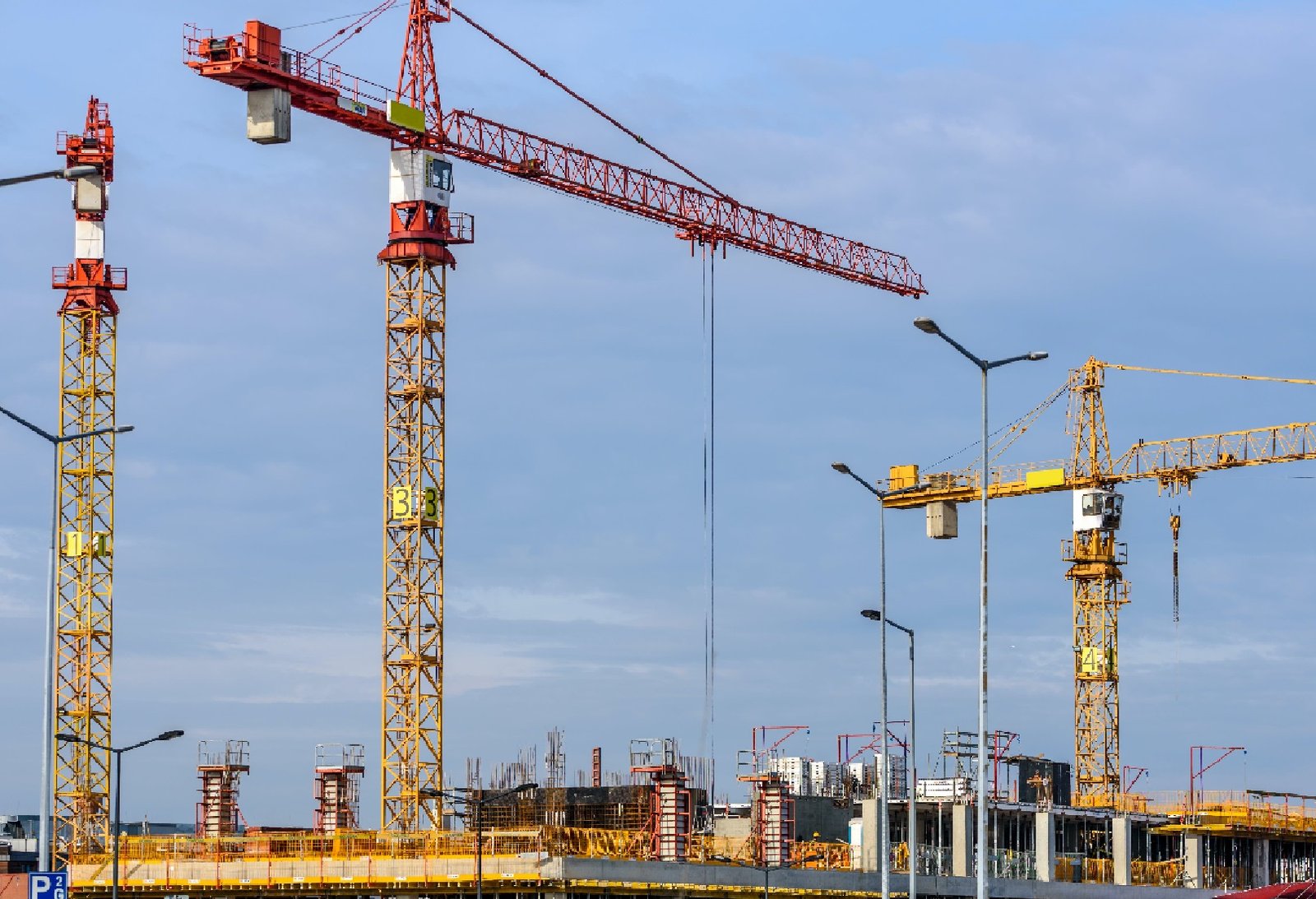
Introduction: In the bustling world of urban planning, where the infrastructure and design of cities are constantly evolving, hotels play a vital role in shaping the urban landscape. Today, we'll explore how hotels contribute to urban planning and sustainable development, aligning the needs of both locals and visitors for a prosperous and eco-friendly urban future.
1. Revitalizing Urban Spaces: Hotels have the power to transform neglected or underutilized urban areas into vibrant hubs of activity. By establishing new properties or revitalizing existing structures, hotels can breathe life into neighborhoods that may have otherwise been overlooked. This process often involves collaboration with city planners and community stakeholders to ensure the development aligns with the cultural and aesthetic values of the area.
2. Economic Growth and Job Creation: Hotel developments generate significant economic benefits for cities, including job creation and increased tax revenues. The construction and operation of hotels require a diverse range of job positions, ranging from architects, interior designers, and builders during the construction phase to hospitality staff, housekeeping, and managerial roles upon completion. This not only boosts the local economy but provides employment opportunities for the residents.
3. Enhancing Public Transportation: Hotels, especially those located in urban areas, encourage the use of public transportation and alternative modes of transportation by incorporating easy access to bus stops, train stations, and bike-sharing facilities. By doing so, hotels reduce the reliance on private vehicles, leading to decreased congestion and lower carbon emissions. This aligns with the broader goals of urban planning, which aim to create sustainable and accessible cities.
4. Promoting Sustainable Practices: Many hotels are embracing eco-friendly strategies to reduce their environmental impact and promote sustainable development. Implementing energy-efficient technologies, providing recycling programs, adopting water-conservation practices, and using renewable energy sources are just some ways hotels are contributing to urban sustainability. These practices not only benefit the environment but also reduce operational costs, making it a win-win situation for both the hotel and the city.
5. Community Engagement: Hotels can act as community hubs by engaging with the local residents and businesses. This could involve partnering with local artisans, organizations, and entrepreneurs to showcase their products and services within hotel premises. By fostering these partnerships, hotels contribute to the local economy and add value to the community, allowing for authentic and meaningful experiences for guests.
Conclusion: Hotels play an integral role in urban planning and sustainable development, contributing to the economic, social, and environmental well-being of cities. By revitalizing urban spaces, promoting sustainable practices, and engaging with the community, hotels actively shape the urban landscape. As cities continue to grow and evolve, it is crucial to recognize the positive impact hotels have on urban planning and work collaboratively to create sustainable and vibrant urban environments for all to enjoy. Explore this subject in detail with http://www.nezeh.com
Explore this subject in detail with http://www.nacnoc.com


