**Exploring Urban Redevelopment Initiatives in Argentina and the Netherlands**
Category : |
Sub Category : Posted on 2024-10-05 22:25:23
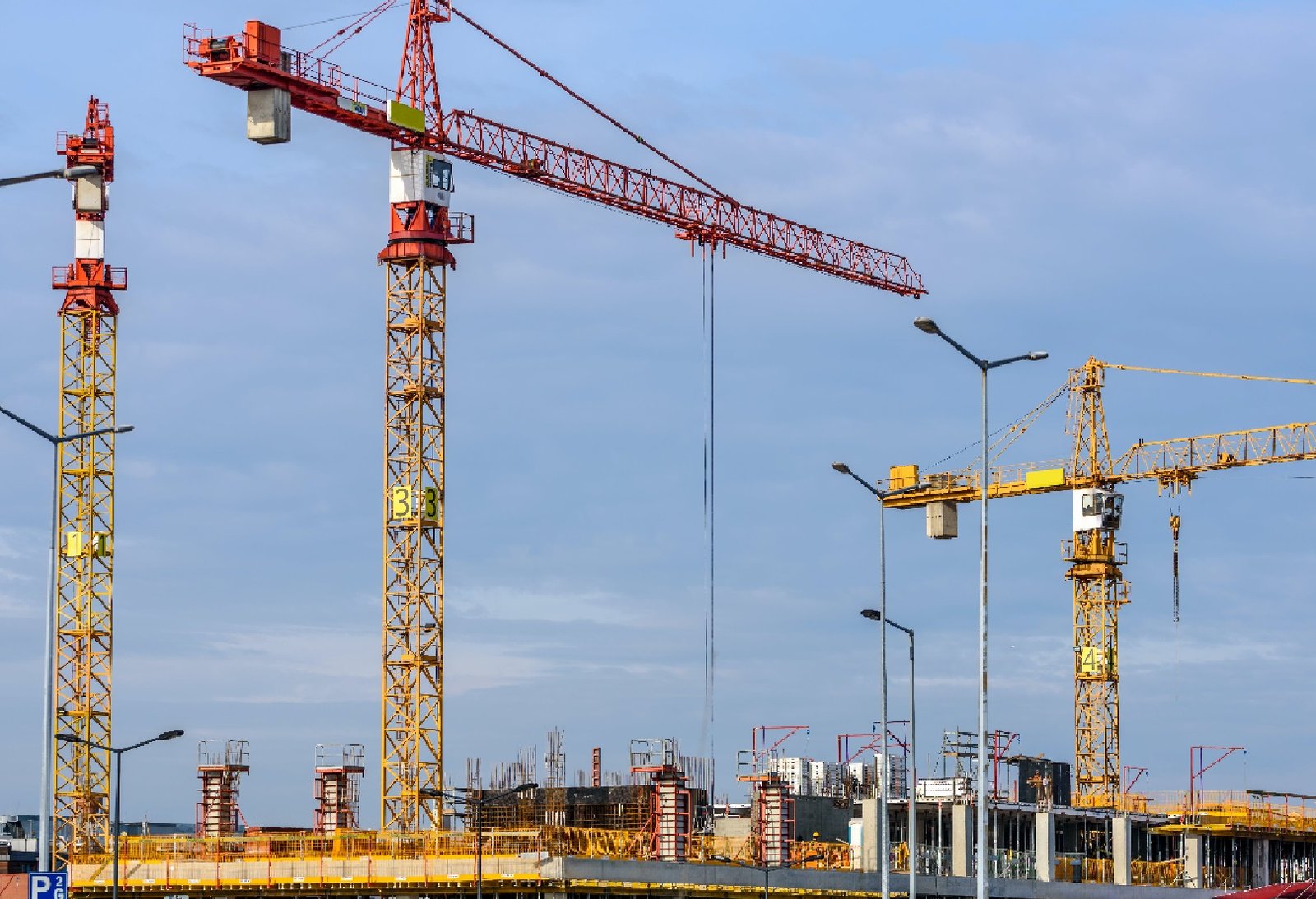
Urban redevelopment is a critical aspect of modern city planning, aimed at revitalizing urban areas to make them more livable, sustainable, and vibrant. Countries around the world are investing in urban redevelopment projects to address issues such as dilapidated infrastructure, population growth, environmental concerns, and economic development. In this blog post, we will explore urban redevelopment initiatives in two distinct countries: Argentina and the Netherlands. **Argentina:** Argentina, a country with a rich cultural heritage and diverse urban landscapes, has been actively engaged in urban redevelopment projects in recent years. One of the notable initiatives is the revitalization of Buenos Aires, the capital city. The government has been focusing on renovating historic buildings, creating green spaces, improving transportation networks, and enhancing public amenities to attract residents and tourists alike. In Buenos Aires, neighborhoods like Puerto Madero have undergone extensive redevelopment, transforming old port warehouses into upscale residential and commercial spaces. The area is now a popular destination with trendy restaurants, shops, and cultural attractions. Another significant project in Argentina is the renovation of Barrio 31, a historic informal settlement in Buenos Aires. The government has been working to upgrade infrastructure, provide basic services, and create opportunities for residents to improve their living conditions while preserving the neighborhood's unique character. **The Netherlands:** The Netherlands is known for its innovative approaches to urban planning and sustainability. Dutch cities like Amsterdam, Rotterdam, and Utrecht have implemented ambitious urban redevelopment projects that focus on preserving historic buildings, promoting cycling and public transportation, and creating green spaces for residents to enjoy. In Amsterdam, the Eastern Docklands redevelopment project stands out as a successful example of urban renewal. The area, once decaying industrial land, has been transformed into a vibrant mixed-use neighborhood with residential buildings, offices, parks, and cultural institutions. The project prioritized sustainability and a people-centric design, making it a desirable place to live and work. Rotterdam, Europe's largest port city, has also embraced urban redevelopment to enhance its waterfront areas and connect the city center with the Maas River. The city's commitment to innovative architecture, sustainable design, and public engagement has made it a hub for creative industries and a model for urban revitalization. **Comparative Analysis:** While Argentina and the Netherlands have different contexts and challenges when it comes to urban redevelopment, they share common goals of creating inclusive, sustainable, and resilient cities for their residents. Both countries have leveraged public-private partnerships, community involvement, and smart planning strategies to transform urban spaces and improve quality of life. In conclusion, urban redevelopment initiatives in Argentina and the Netherlands demonstrate the importance of proactive city planning, investment in infrastructure, and collaboration among stakeholders to build cities that are functional, attractive, and environmentally friendly. By learning from each other's experiences and best practices, countries around the world can create urban environments that are thriving, equitable, and progressive.
https://desencadenar.org
https://constructional.org


