"Revitalizing Urban Spaces: A Comparative Analysis of Urban Redevelopment in Argentina and Copenhagen, Denmark"
Category : |
Sub Category : Posted on 2024-10-05 22:25:23
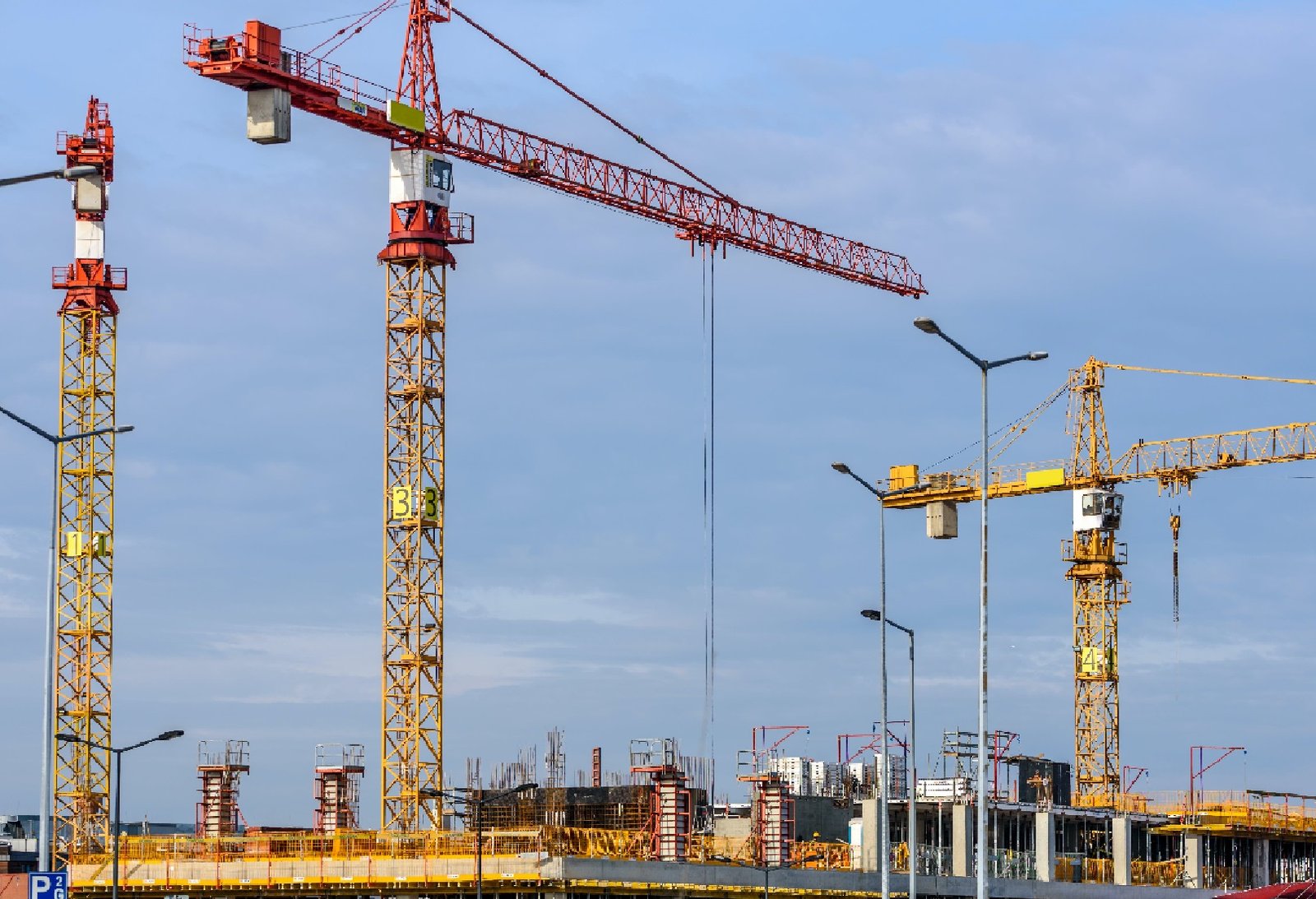
Urban redevelopment is a complex and dynamic process that aims to revitalize urban spaces, improve living conditions, and enhance the overall quality of life for residents. As cities around the world grapple with growing populations and aging infrastructure, urban redevelopment has become a key focus for many urban planners and policymakers. In this blog post, we will explore the contrasting approaches to urban redevelopment in two distinct cities – Buenos Aires, Argentina, and Copenhagen, Denmark. Despite being located on different continents and having unique historical and cultural backgrounds, both cities have implemented innovative strategies to rejuvenate their urban areas and create more sustainable and livable communities. Buenos Aires, the bustling capital city of Argentina, has undergone significant urban redevelopment efforts in recent years. The city has focused on transforming derelict industrial sites and abandoned buildings into vibrant cultural and recreational spaces. For example, the Puerto Madero waterfront district, once a neglected port area, has been transformed into a thriving hub of luxury residential buildings, office spaces, restaurants, and green spaces. This successful redevelopment project has not only revitalized the area but has also led to increased property values and economic growth in the surrounding neighborhoods. On the other hand, Copenhagen, the capital of Denmark, is renowned for its sustainable urban planning and design principles. The city has prioritized pedestrian and bicycle-friendly infrastructure, green spaces, and low-carbon transportation options as part of its urban redevelopment strategy. The revitalization of the industrial waterfront area known as Nordhavn is a prime example of Copenhagen's commitment to sustainability. The former industrial port has been transformed into a modern, mixed-use neighborhood featuring energy-efficient buildings, green roofs, and innovative climate adaptation measures. While Buenos Aires and Copenhagen have taken different paths to urban redevelopment, both cities share a common goal of creating inclusive, sustainable, and resilient urban spaces for their residents. By learning from each other's successes and challenges, cities around the world can continue to innovate and improve their approaches to urban redevelopment. In conclusion, urban redevelopment is a multifaceted process that requires a combination of vision, collaboration, and creativity. Whether in Buenos Aires or Copenhagen, the transformation of urban areas can have a lasting impact on the social, economic, and environmental well-being of a city. By prioritizing sustainability, innovation, and community engagement, cities can create vibrant and thriving urban spaces that enhance the quality of life for all residents.
https://desencadenar.org
https://constructional.org


