**Revitalizing Urban Spaces: The Case of Urban Redevelopment in Argentina and Japan**
Category : |
Sub Category : Posted on 2024-10-05 22:25:23
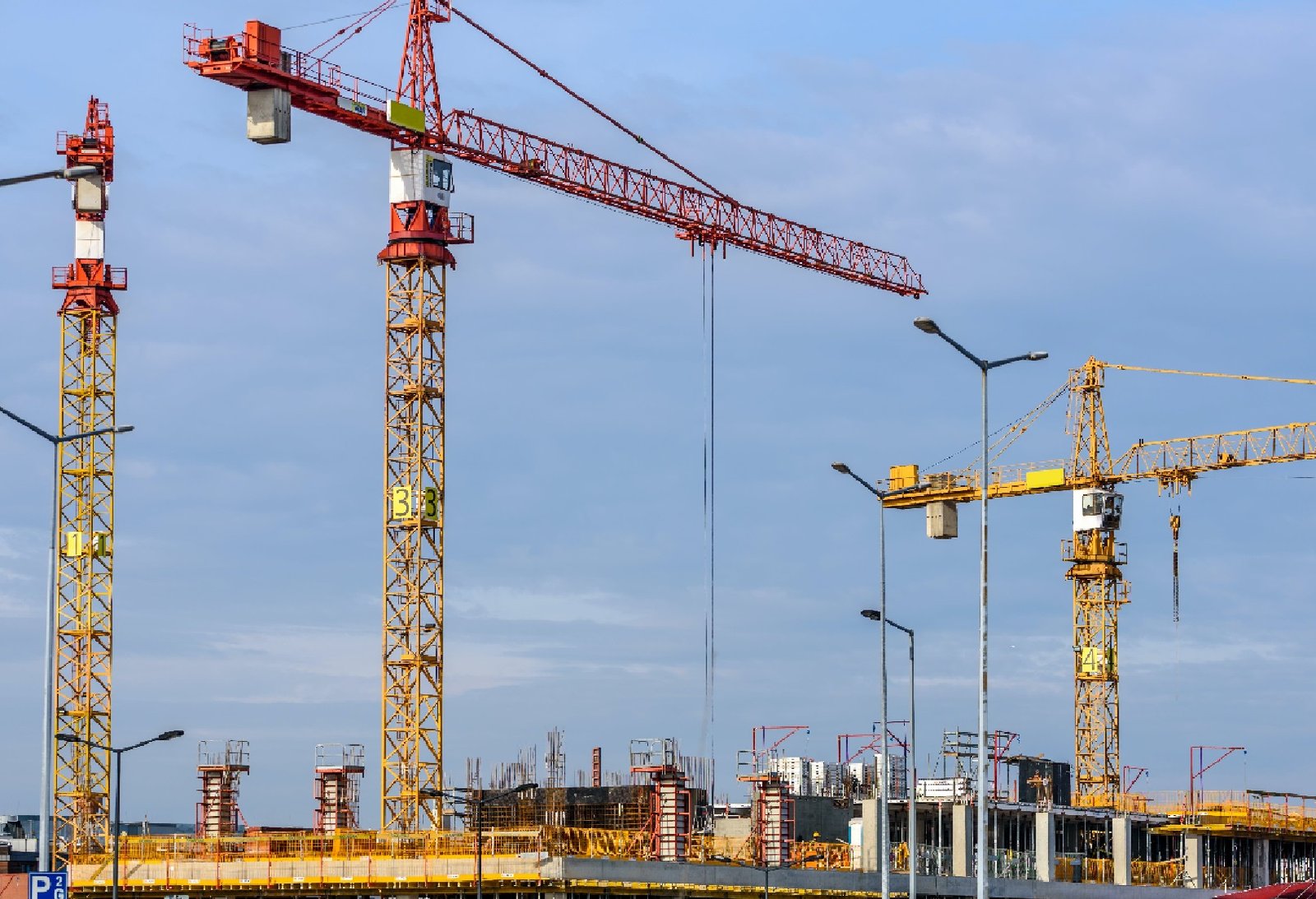
Urban redevelopment projects play a crucial role in transforming and revitalizing city landscapes, enhancing economic growth, and improving quality of life for residents. In countries like Argentina and Japan, urban redevelopment initiatives have been instrumental in tackling urban blight, preserving cultural heritage, and creating sustainable urban environments. **Argentina: Transforming Cities through Urban Redevelopment** In Argentina, urban redevelopment has been a key strategy to revitalize deteriorating urban areas and promote economic development. One notable example is the Puerto Madero district in Buenos Aires. Once an abandoned port area, Puerto Madero underwent a major redevelopment project in the 1990s, transforming it into a vibrant mixed-use neighborhood with modern architecture, cultural attractions, and upscale residential and commercial spaces. The project not only revitalized the waterfront area but also boosted tourism, investment, and job creation in the city. Another example is the urban redevelopment project in Rosario, Argentina's third-largest city. The city implemented a comprehensive urban renewal plan that included upgrading infrastructure, preserving historic buildings, creating green spaces, and promoting mixed-use developments. As a result, Rosario has seen a revitalization of its downtown area, improved public spaces, and increased property values, making it a more attractive place to live, work, and visit. **Japan: Balancing Tradition and Innovation in Urban Redevelopment** In Japan, urban redevelopment projects are characterized by a delicate balance between preserving traditional heritage and embracing modernity. One of the most iconic urban redevelopment projects in Japan is the transformation of Tokyo's waterfront area into the Odaiba district. Once a cluster of artificial islands, Odaiba is now a dynamic urban hub with futuristic architecture, shopping malls, entertainment complexes, and green spaces. The project seamlessly blends traditional Japanese design elements with cutting-edge technology, attracting tourists and locals alike. Another example is the renewal of historic districts in Kyoto, Japan's ancient capital. Through a combination of adaptive reuse, conservation efforts, and sustainable design principles, Kyoto has successfully preserved its cultural heritage while accommodating modern needs. The redevelopment of old machiya townhouses into chic cafes, boutique shops, and guesthouses has breathed new life into these historic neighborhoods, attracting visitors interested in experiencing traditional Japanese culture in a contemporary setting. **Conclusion** Urban redevelopment plays a vital role in shaping the future of cities, creating vibrant communities, and fostering sustainable development. In Argentina and Japan, urban redevelopment projects have demonstrated the power of thoughtful planning, community engagement, and innovation in transforming urban spaces. By preserving heritage, promoting economic growth, and enhancing quality of life, these initiatives serve as inspiring examples of successful urban revitalization efforts that benefit residents, visitors, and the environment alike.
https://desencadenar.org
https://constructional.org


