**Revitalizing Africa's Urban Centers: The Role of Innovative Materials**
Category : |
Sub Category : Posted on 2024-10-05 22:25:23
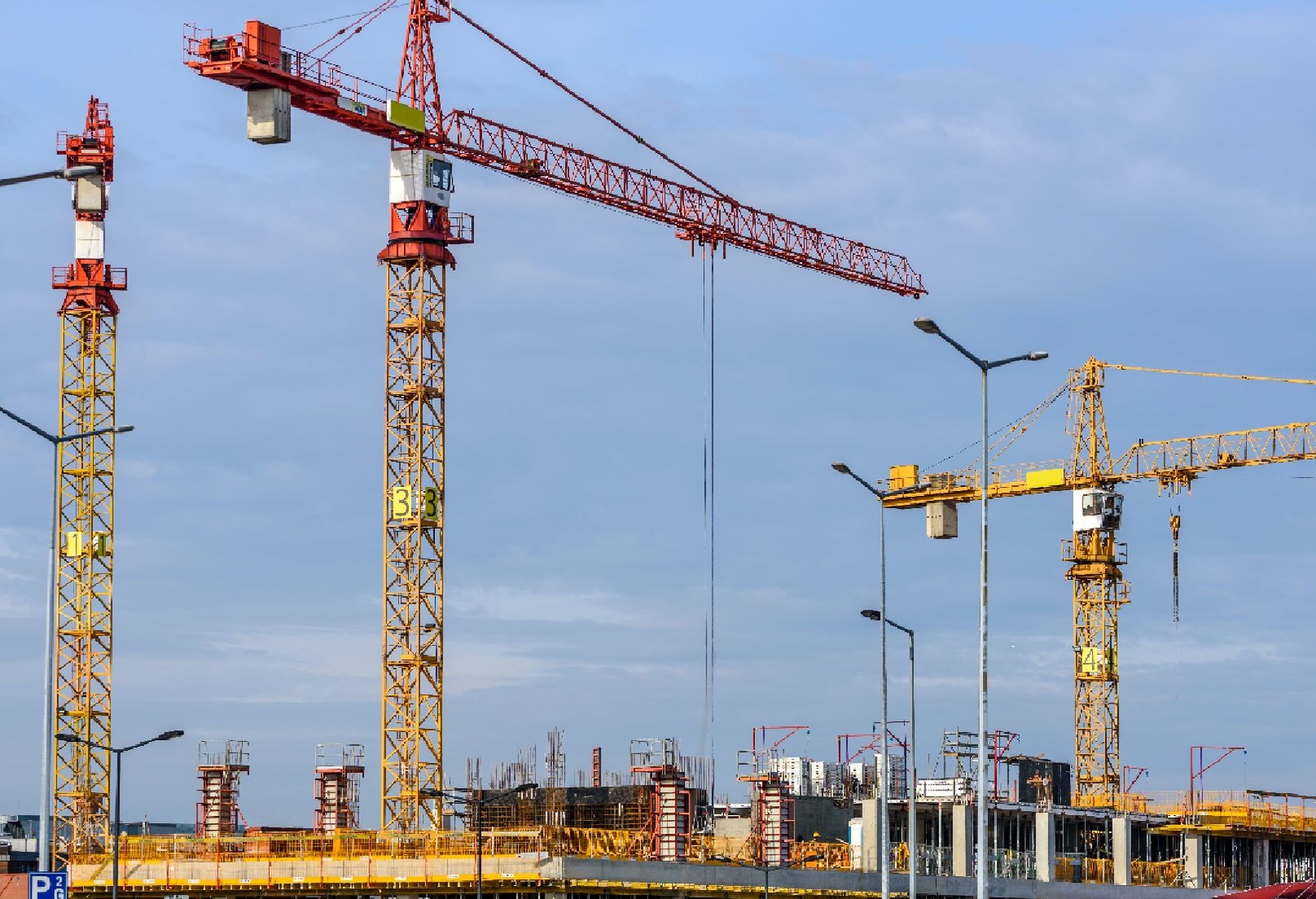
Urban redevelopment is a crucial aspect of city planning and development, especially in rapidly growing regions like Africa. As urban populations continue to rise, there is a growing need to revitalize city centers, improve infrastructure, and create sustainable living spaces. One key element in this process is the use of innovative materials that can help transform urban environments and support the growth and development of African cities. **Challenges of Urban Redevelopment in Africa** Urban centers in Africa face a unique set of challenges when it comes to redevelopment. Many cities are grappling with issues such as inadequate infrastructure, overcrowding, informal settlements, and insufficient access to basic services like water and sanitation. These challenges are further exacerbated by rapid urbanization and population growth, which put strain on existing resources and infrastructure. In order to address these challenges, urban planners and developers are increasingly turning to innovative materials and construction techniques that can help create more sustainable and resilient urban spaces. These materials not only help improve the quality of infrastructure but also contribute to the aesthetic appeal and functionality of urban environments. **Innovative Materials for Urban Redevelopment** 1. **Green Building Materials**: The use of sustainable and eco-friendly materials is gaining traction in urban redevelopment projects across Africa. Materials like bamboo, recycled plastics, and locally sourced wood are being used to construct buildings that are energy-efficient, environmentally friendly, and cost-effective. 2. **prefabricated Construction Materials**: Prefabricated materials offer a faster and more efficient way to construct buildings, which is particularly important in densely populated urban areas. These materials can be mass-produced off-site and then assembled on-site, reducing construction time and costs. 3. **Smart Materials**: The integration of smart materials, such as self-healing concrete, self-cleaning coatings, and photovoltaic panels, can improve the durability and performance of urban infrastructure. These materials can help reduce maintenance costs and increase the longevity of buildings and other structures. 4. **Adaptive Reuse Materials**: Adaptive reuse involves repurposing existing structures for new uses, which is a sustainable approach to urban redevelopment. Materials like reclaimed wood, salvaged bricks, and recycled metal can be used to transform old buildings into modern, functional spaces. **Benefits of Using Innovative Materials** - Improved sustainability and resilience of urban infrastructure - Reduced construction costs and timelines - Enhanced energy efficiency and environmental performance - Creation of unique and visually appealing urban environments - Support for local economies through the use of locally sourced materials **Conclusion** Innovative materials play a crucial role in the redevelopment of urban centers in Africa, offering a sustainable and efficient way to create vibrant and resilient cities. By incorporating green building materials, prefabricated construction techniques, smart materials, and adaptive reuse practices, urban planners and developers can transform African cities into thriving urban hubs that meet the needs of residents today and in the future.
https://desencadenar.org
https://constructional.org


