**Exploring the Contradictions of Urban Redevelopment in Africa**
Category : |
Sub Category : Posted on 2024-10-05 22:25:23
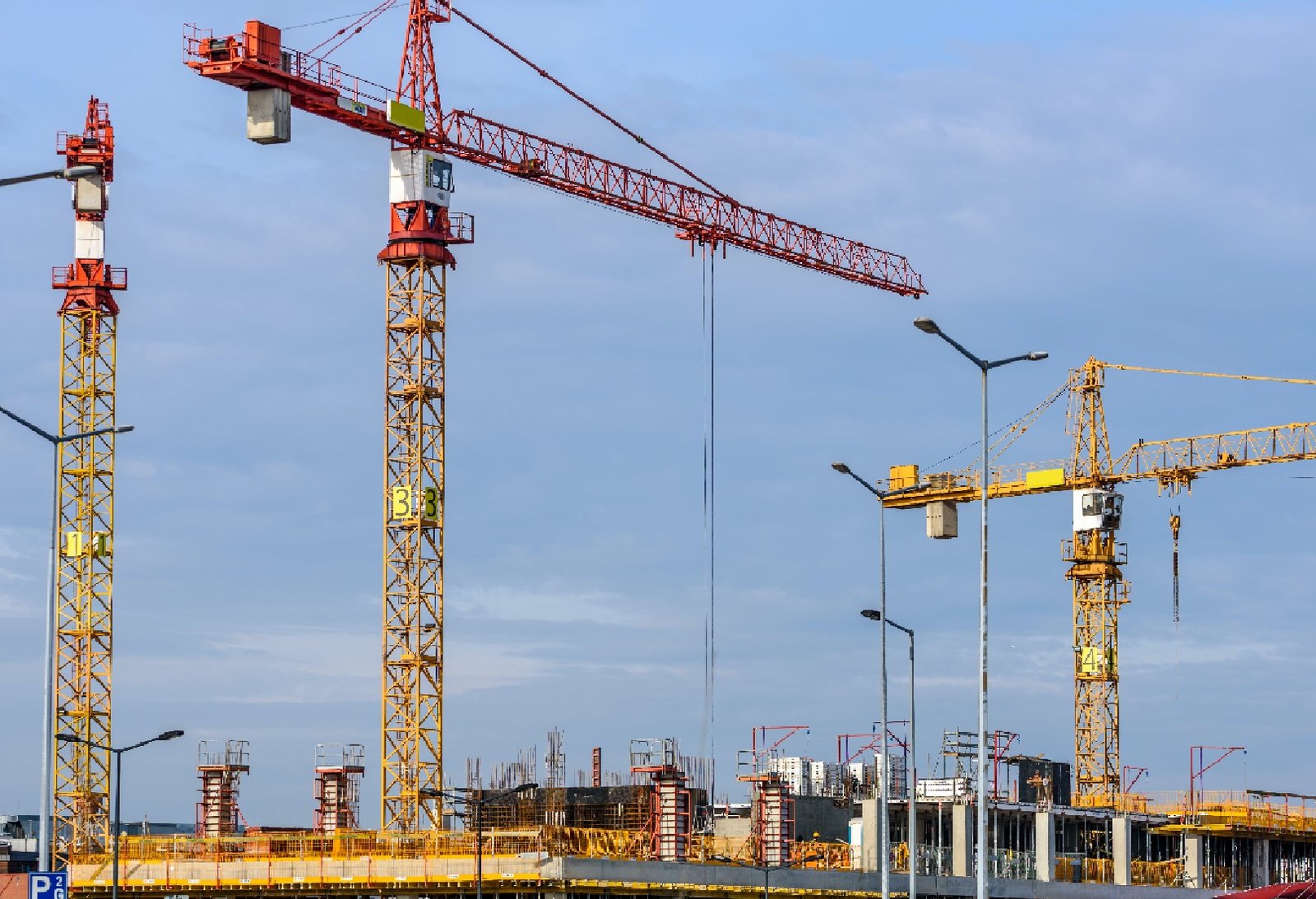
Urban redevelopment in Africa is a complex and multifaceted process that aims to revitalize cities, improve infrastructure, and enhance the quality of life for residents. However, this seemingly positive initiative often comes with a set of contradictions and challenges that need to be addressed. In this blog post, we will delve into the contradictions of urban redevelopment in Africa and discuss the implications for the continent's rapidly growing urban centers. One of the key contradictions of urban redevelopment in Africa is the tension between modernization and cultural preservation. As cities undergo redevelopment projects to attract investment and improve their competitiveness on the global stage, there is a risk of erasing the unique cultural heritage and identity of local communities. Many historic neighborhoods and informal settlements are at risk of being demolished to make way for new developments, displacing long-time residents and disrupting social cohesion. Another contradiction lies in the unequal distribution of benefits and costs associated with urban redevelopment. While these projects promise economic growth, job creation, and improved infrastructure, the benefits often accrue to a privileged few, leaving the majority of urban dwellers marginalized and excluded. Gentrification, rising property values, and displacement of low-income residents are common consequences of urban redevelopment initiatives, exacerbating social inequalities and deepening poverty in African cities. Furthermore, the environmental impact of urban redevelopment in Africa is a pressing concern. As cities expand and modernize, they face challenges related to pollution, waste management, deforestation, and loss of biodiversity. Redevelopment projects that prioritize economic growth over environmental sustainability can have detrimental effects on the ecosystem and contribute to climate change, threatening the long-term resilience and livability of urban areas. In addressing these contradictions, policymakers, urban planners, and community stakeholders must adopt a holistic and inclusive approach to urban redevelopment in Africa. This entails promoting participatory decision-making processes, preserving cultural heritage, promoting social equity, and integrating environmental considerations into urban planning and development strategies. Empowering local communities, investing in affordable housing, improving public transportation, and promoting green infrastructure are essential steps towards creating sustainable, inclusive, and resilient cities in Africa. As African cities continue to grow and evolve, it is crucial to navigate the contradictions of urban redevelopment with a long-term vision that prioritizes inclusive growth, social justice, and environmental sustainability. By addressing these challenges proactively and collaboratively, we can build vibrant, livable, and prosperous cities that enhance the well-being of all residents and preserve the unique cultural identity of the continent. Want to gain insights? Start with https://www.tsonga.org Looking for more information? Check out https://www.tonigeria.com also for More in https://www.tocongo.com Curious to learn more? Click on https://www.toalgeria.com for more https://www.savanne.org
https://desencadenar.org
https://constructional.org


