**Revitalizing Urban Spaces in African Politics**
Category : |
Sub Category : Posted on 2024-10-05 22:25:23
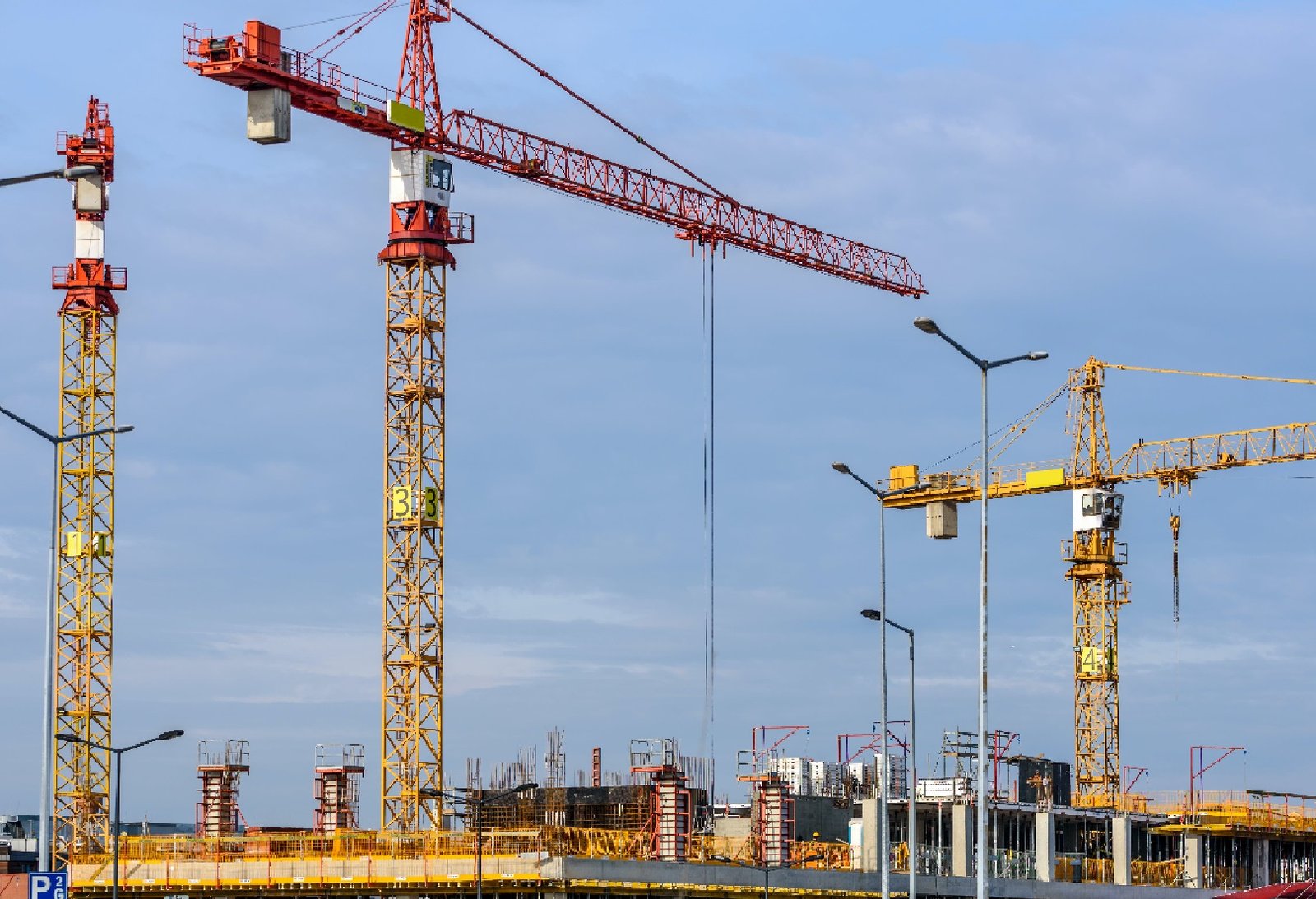
Urban redevelopment has become a crucial aspect of political agendas across the African continent in recent years. Major cities are being transformed to create more vibrant, sustainable, and inclusive spaces for their residents. This process not only aims to improve the quality of life for urban dwellers but also plays a significant role in attracting investments, boosting economic growth, and shaping the overall identity of a nation. One of the key motivations behind urban redevelopment in Africa is to address the challenges posed by rapid urbanization. As more people migrate from rural areas to cities in search of better opportunities, urban infrastructure is often strained, leading to overcrowding, lack of basic services, and environmental degradation. By investing in urban renewal projects, governments can create better living conditions, improve access to essential services such as healthcare and education, and promote sustainable development. Several African countries have made significant strides in transforming their urban landscapes. For example, Ethiopia's capital city, Addis Ababa, has undergone a major facelift in recent years, with new transportation networks, modernized buildings, and public spaces that reflect the country's rich cultural heritage. In Rwanda, the government has implemented ambitious urban planning initiatives, such as the Kigali Master Plan, which aims to create a more efficient, green, and livable city for its residents. However, urban redevelopment in Africa is not without its challenges. One of the main obstacles is ensuring that the process is inclusive and benefits all segments of the population, including marginalized communities and informal settlers. Displacement and gentrification are common concerns in many redevelopment projects, highlighting the need for careful planning, consultation with stakeholders, and the protection of vulnerable groups. Furthermore, funding for urban renewal projects remains a significant issue in many African countries. Limited financial resources, competing priorities, and reliance on external investments can hinder the progress of redevelopment initiatives. Governments need to explore innovative funding mechanisms, such as public-private partnerships and international cooperation, to ensure the sustainability of urban redevelopment efforts. In conclusion, urban redevelopment plays a crucial role in shaping the future of African cities and has the potential to drive social, economic, and environmental progress. By prioritizing inclusive and sustainable urban development strategies, African nations can create dynamic, resilient urban spaces that serve the needs of all their residents. Through effective governance, strategic planning, and community engagement, urban redevelopment can become a powerful tool for positive change in the political landscape of Africa. Have a look at https://www.mimidate.com Uncover valuable insights in https://www.cotidiano.org Check the link: https://www.topico.net also for more https://www.tsonga.org For a fresh perspective, give the following a read https://www.tonigeria.com If you are interested you can check the following website https://www.tocongo.com Looking for more information? Check out https://www.toalgeria.com To see the full details, click on: https://www.enemigo.org Want to gain insights? Start with https://www.savanne.org
https://desencadenar.org
https://constructional.org


