**Exploring Urban Redevelopment of Abandoned Places in Dubai and Abu Dhabi**
Category : |
Sub Category : Posted on 2024-10-05 22:25:23
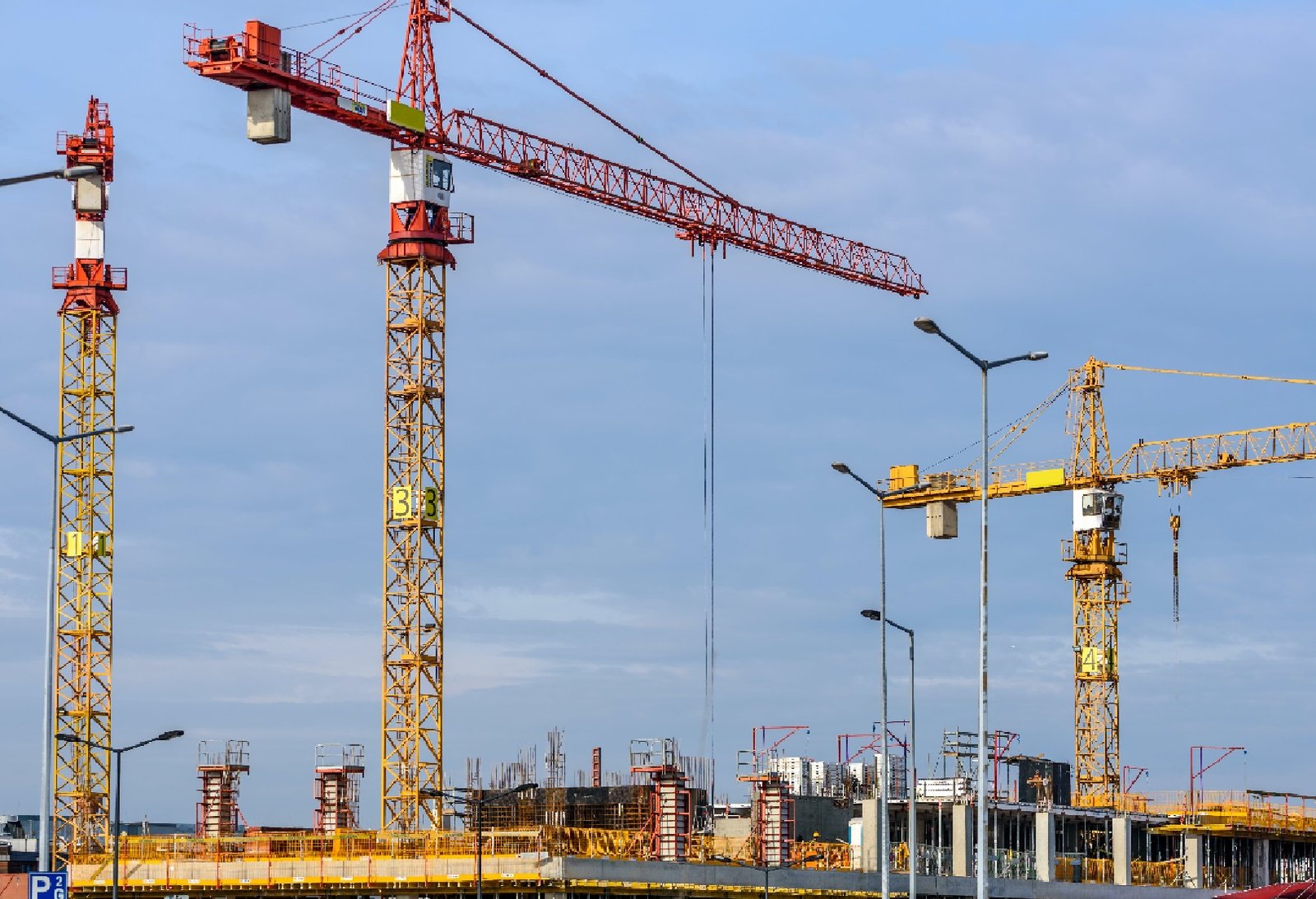
The bustling cities of Dubai and Abu Dhabi are known for their modern skyscrapers, luxury shopping malls, and lavish attractions. However, amidst the glamour and glitz, there are also abandoned places that tell a different story. These neglected sites are now becoming the focus of urban redevelopment projects aimed at revitalizing these spaces and breathing new life into them. Abandoned places in Dubai and Abu Dhabi offer a glimpse into the cities' past, with remnants of old structures and forgotten neighborhoods standing as relics of a bygone era. These neglected sites often hold historical significance, providing a unique opportunity for urban planners and developers to integrate elements of the past into the future vision of the cities. In recent years, there has been a growing interest in repurposing abandoned places in Dubai and Abu Dhabi. These urban redevelopment projects aim to transform derelict sites into vibrant hubs of activity, creating new opportunities for the local community and enhancing the cities' overall urban fabric. One notable example of urban redevelopment in Dubai is the Al Quoz district, once a neglected industrial area that has been transformed into a thriving arts and culture hub. Old warehouses and factories have been converted into galleries, studios, and creative spaces, attracting artists, designers, and cultural enthusiasts from around the world. In Abu Dhabi, the Al Mina port area is undergoing a similar transformation, with abandoned warehouses and disused waterfront spaces being reimagined as mixed-use developments that blend residential, commercial, and recreational facilities. These projects are not only revitalizing neglected areas but also adding to the cities' appeal as vibrant and dynamic urban centers. Urban redevelopment of abandoned places in Dubai and Abu Dhabi presents unique challenges, including preserving historical heritage, addressing environmental concerns, and ensuring the inclusion of local communities in the planning process. However, by embracing these challenges and leveraging the potential of neglected sites, these cities are creating new opportunities for sustainable growth and development. As Dubai and Abu Dhabi continue to evolve and expand, the urban redevelopment of abandoned places will play a crucial role in shaping the cities' future identity. By breathing new life into neglected sites and reimagining their potential, these projects are not only transforming urban landscapes but also creating a more inclusive and dynamic environment for residents and visitors alike. In conclusion, the urban redevelopment of abandoned places in Dubai and Abu Dhabi is an exciting evolution that showcases the cities' commitment to preserving the past while building for the future. These projects are not only reshaping the physical landscape but also contributing to the cultural and social vitality of the cities, making them even more vibrant and dynamic destinations for residents and tourists to explore and enjoy.
https://desencadenar.org
https://constructional.org


